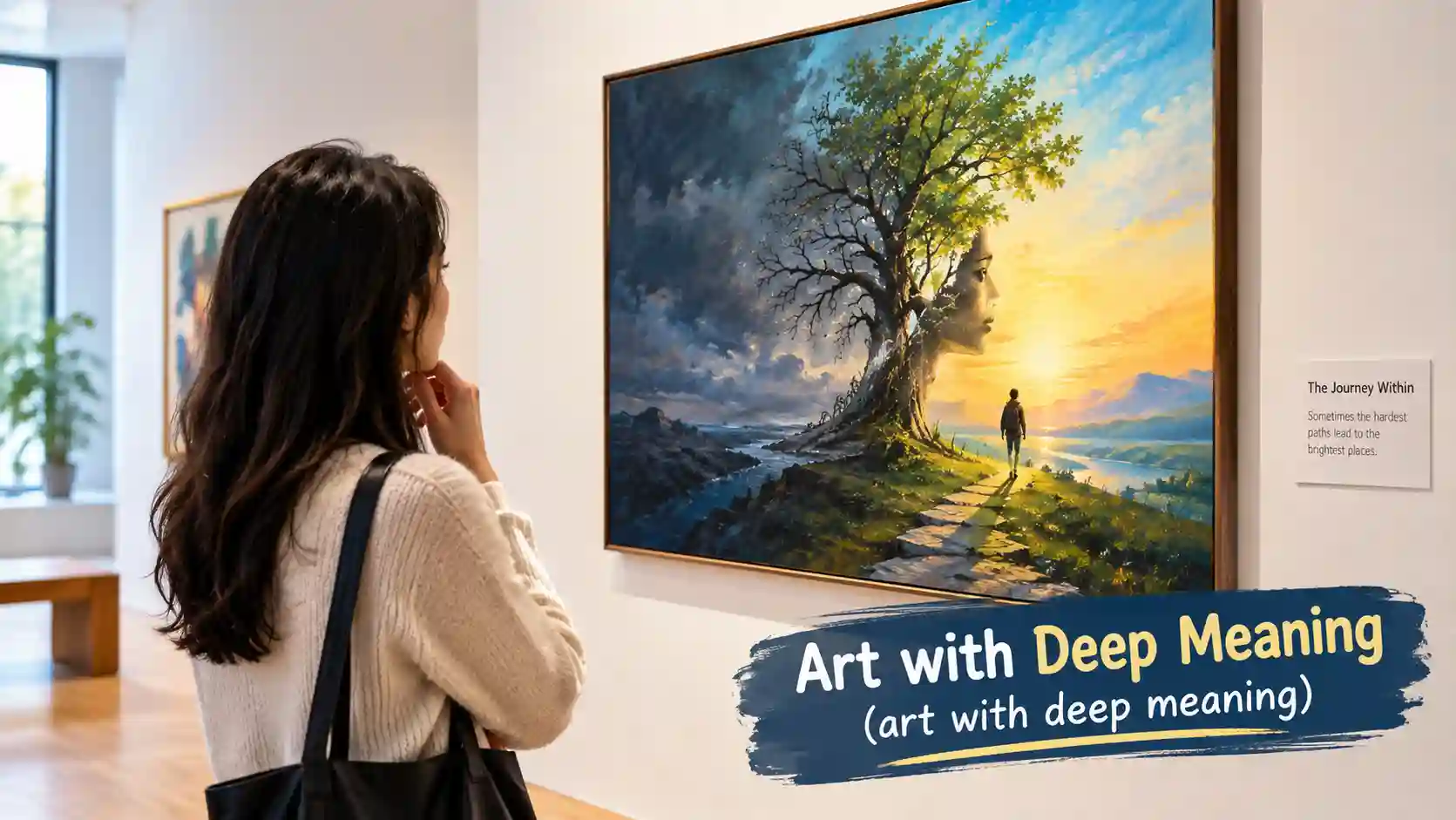
Art with deep meaning can express emotions, beliefs, memories, struggles, dreams, or ideas without using many words. It may use symbols, colors, people, objects, or scenes to communicate a message that goes beyond what we see at first glance.
When you look at meaningful art, the goal is not always to find one correct answer. Instead, you can explore what the artist may be saying and what the artwork makes you feel or think.
This guide explains what makes art meaningful, common symbols and themes, examples of ideas, and simple ways to create or understand artwork with a deeper message.
What Does Art With Deep Meaning Mean?
Art with deep meaning is artwork that communicates an idea, emotion, experience, or message beneath its surface appearance. The meaning may come from the subject, colors, symbols, setting, composition, personal story, or cultural background.
For example, a painting of a person standing alone under a large sky might represent loneliness, freedom, hope, or self-discovery. The image itself is simple, but the idea behind it can be much deeper.
Meaningful art does not have to be complicated. A single flower can represent growth. A broken mirror can suggest a changed identity. An open door can represent a new beginning.
The important part is that the artwork gives the viewer something to think about.
| Art idea | Possible deeper meaning |
| Open door | New opportunities or change |
| Broken clock | Lost time or regret |
| Growing tree | Personal growth |
| Empty chair | Loss or absence |
| Butterfly | Transformation |
| Mountain | Strength or overcoming challenges |
| Ocean | Freedom, mystery, or emotions |
The meaning of a symbol can also change from person to person. An artist may create a painting about grief, while a viewer sees it as a story about hope. Both responses can be meaningful.
Why Does Meaning Matter in Art?
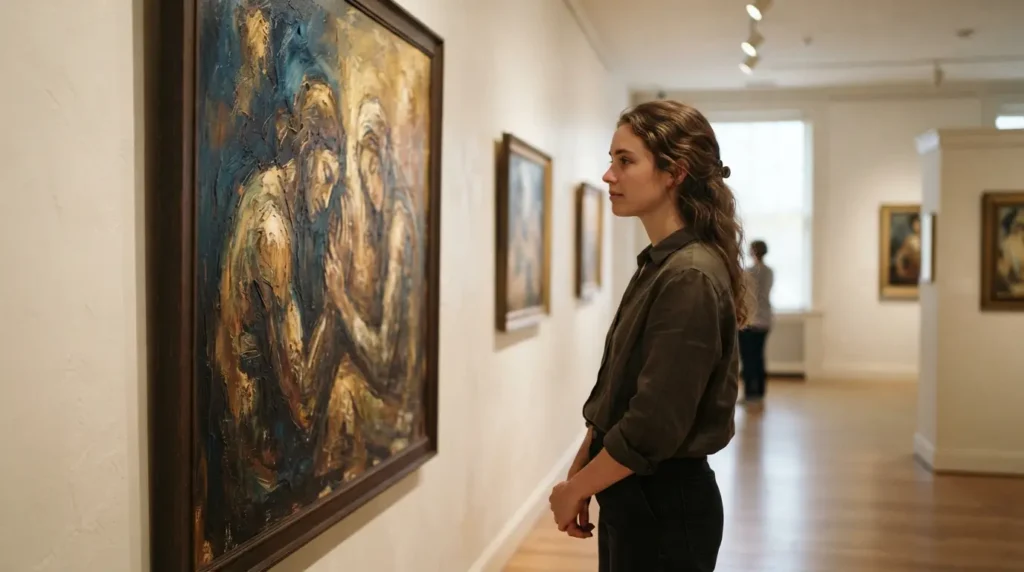
Art can communicate ideas that are difficult to explain with ordinary language. A person may struggle to describe sadness, hope, fear, love, or change, yet a picture can express those feelings instantly.
Deeply meaningful artwork can also encourage people to slow down and look more carefully. Instead of seeing only a face, tree, room, or landscape, the viewer starts asking questions.
Why is the person standing there?
Why is the background empty?
What happened before this moment?
What might happen next?
These questions create a connection between the viewer and the artwork.
Meaning also gives art a personal quality. Two people can look at the same painting and experience completely different emotions. This is one reason art can feel so powerful.
Common Themes in Art With Deep Meaning
Many meaningful artworks explore ideas that people experience throughout life. These themes can make an artwork relatable even when the viewer does not know the artist’s personal story.
| Theme | What it can explore | Possible visual ideas |
| Love | Connection and relationships | Two hands, flowers, shared space |
| Loss | Grief and memories | Empty chair, fading photograph |
| Hope | Looking toward better times | Sunrise, light, open window |
| Growth | Personal change | Seed becoming a tree |
| Freedom | Independence and choice | Birds, open road, open sky |
| Time | Aging and change | Clock, seasons, old photographs |
| Identity | Understanding yourself | Mirror, portrait, different shadows |
| Nature | Life and connection | Trees, rivers, mountains |
These are not fixed meanings.
Symbols That Can Add Deeper Meaning
Symbols are one of the easiest ways to give artwork another layer of meaning. A symbol is an object, image, or visual element that represents an idea beyond its literal appearance.
A key, for example, might represent opportunity, freedom, knowledge, or access to something hidden.
A bird might suggest freedom or escape.
A mirror can represent self-reflection or identity.
A path can represent a journey through life.
A candle may suggest hope, remembrance, or light during difficult times.
However, you should avoid assuming that every symbol has one universal meaning. Context matters.
Imagine a red rose in two different paintings. In one, it might represent romantic love. In another, it might represent pain or sacrifice. The surrounding objects, colors, title, and story can change its meaning.
Art With Deep Meaning About Life

Life is one of the most common subjects for meaningful artwork because everyone experiences change, happiness, difficulty, relationships, and uncertainty.
An artist might show life as a road with many turns. The road could represent choices and the unknown future.
Another artist might paint a tree with both damaged and healthy branches. The image could represent how people experience difficult moments while continuing to grow.
A painting does not need to show an entire life story. Sometimes one small detail can communicate a powerful idea.
For example, an old photograph placed beside a young person’s portrait could suggest the connection between past and present.
Art With Deep Meaning About Love
Love can be shown through more than romantic imagery. Meaningful art about love can explore friendship, family, memories, sacrifice, distance, trust, or loss.
A simple idea is to show two people separated by a large space while their shadows touch. The image could represent emotional connection despite physical distance.
Another idea is an old pair of shoes beside a newer pair. This might suggest a shared journey or memories from a long relationship.
For romantic artwork, small details can often communicate more than obvious hearts and roses. A shared cup of coffee, two hands reaching toward each other, or an empty seat beside someone can create a quieter emotional message.
Art With Deep Meaning About Struggle and Strength
Meaningful art does not always need to be happy. Many powerful artworks explore pain, challenges, failure, and recovery.
A cracked wall with a small plant growing through it can represent strength after hardship. The crack shows damage, while the plant shows continued life.
A person climbing a steep mountain can represent persistence. A storm behind a person walking toward sunlight can suggest that difficult moments do not last forever.
The key is balance. If you want your artwork to communicate strength, consider showing both the challenge and the response to it.
How Colors Can Change the Meaning of Art
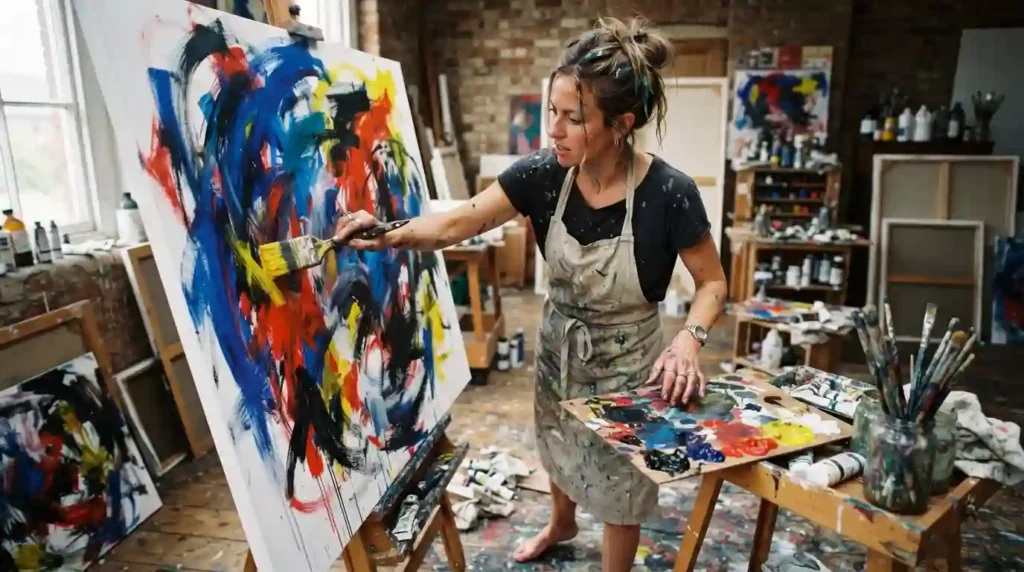
Color can strongly affect how an artwork feels. Artists often use color to create mood, contrast, focus, or symbolism.
Red can attract attention and may suggest love, energy, anger, danger, or passion.
Blue often creates feelings of calmness, sadness, distance, or peace.
Yellow can suggest warmth, happiness, energy, or light.
Black may create feelings of mystery, seriousness, grief, or power.
White can suggest simplicity, peace, emptiness, or purity.
These associations are not universal rules. Cultural background and personal experience can influence how people understand colors.
For example, a dark painting does not automatically mean sadness. The artist may use dark colors to create mystery or make a small area of light stand out.
How to Create Art With Deep Meaning
You do not need to be a professional artist to create meaningful artwork. Start with an idea that matters to you.
Think about an experience, emotion, memory, question, or personal goal. Then ask yourself how you could show that idea without writing it directly.
Suppose your theme is moving forward after a difficult time. You could draw a person leaving a dark room and walking toward a bright doorway. The room represents the past, while the doorway represents a new beginning.
Next, choose symbols carefully. Add only details that support the main idea. Too many unrelated symbols can make the artwork confusing.
Think about composition, too. Where you place the main subject can affect the feeling of the piece. A tiny person beneath a huge sky can make the person appear small or thoughtful. A close-up face can make an emotion feel more personal.
Finally, give the artwork a title if it helps. A thoughtful title can guide the viewer without explaining everything.
How to Understand Art With Deep Meaning
When viewing meaningful art, avoid searching immediately for a single answer. Start by observing what is actually visible.
Ask yourself:
What do I notice first?
What story might be happening?
Then research the artist, title, historical period, or cultural background when that information is available. This can provide useful context.
It is also helpful to separate what you see from what you interpret.
For example, There is a person standing beside an empty chair is an observation. The empty chair represents someone who died is an interpretation. The second idea may be correct, but you would need evidence from the artist or context to confirm it.
This simple distinction helps you appreciate art without assuming too much.
Simple Ideas for Meaningful Artwork
If you want to make your own piece, start with a clear concept instead of trying to make the image complicated.
Here are some ideas:
| Concept | Simple artwork idea |
| New beginnings | A person opening a window at sunrise |
| Personal growth | A small plant growing from a book |
| Memories | An old photograph surrounded by flowers |
| Freedom | A person walking toward an open landscape |
| Time | A young and old version of the same person |
| Healing | A cracked object repaired with visible lines |
| Hope | A small light in a dark room |
| Change | A butterfly leaving an old shell |
You can also combine two ideas. For example, a tree growing through a broken wall could represent strength, growth, and overcoming barriers at the same time.
What Makes Art Feel Truly Meaningful?
Deep meaning usually comes from more than a beautiful image. It comes from the relationship between the visual elements and the idea behind them.
A meaningful artwork often has a clear emotional center. It gives the viewer something to notice and something to wonder about.
Personal connection can make the work even stronger. An artwork based on a real memory may have a meaning that cannot be fully understood by someone else, and that is okay.
Good meaningful art does not have to explain everything. Leaving some space for interpretation can make people spend more time with the piece.
The strongest idea is often simple: show something real, choose details with purpose, and let the viewer discover part of the story.
FAQs
What is art with deep meaning?
Art with deep meaning communicates an idea, emotion, memory, experience, or message beyond what is immediately visible. It often uses symbols, colors, subjects, and composition to create additional meaning.
What are good subjects for meaningful art?
Common subjects include love, loss, personal growth, identity, freedom, family, time, nature, struggle, hope, and change. A personal experience can also provide a strong starting point.
What symbol represents personal growth?
A growing plant or tree is a common visual idea for personal growth because it can show development over time. A butterfly can also represent transformation.
Can simple art have deep meaning?
Yes. Simple artwork can have a powerful message. A single object, such as an empty chair or open door, can suggest a larger story when it is used thoughtfully.
Does meaningful art have one correct interpretation?
Not always. An artist may have a specific intention, but viewers can also develop personal interpretations. Artist statements and historical context can help clarify the intended meaning.
How can I make my own meaningful artwork?
Start with one emotion, memory, question, or life experience. Choose a few visual elements that support that idea, consider colors and composition, and avoid adding details that do not serve the main message.
Conclusion
Art with deep meaning does not have to be complicated, expensive, or difficult to understand. It can be a simple drawing, painting, photograph, sculpture, or digital image that makes someone stop and think.
The most meaningful artwork often connects a visible image with an invisible idea. A tree can become a story about growth. An open door can suggest change. An empty chair can bring thoughts of loss or memory.
When creating or viewing art, look beyond the surface. Notice the symbols, colors, composition, emotions, and story. At the same time, remember that meaning can depend on context and personal experience.
If you want to create meaningful art, begin with something that genuinely matters to you. A clear idea and honest emotion can often say more than a complicated design.

Muhammad Haroon is the founder and writer behind Factnora.com, a platform focused on sharing interesting, useful, and reliable information. His work covers biographies, history, facts, and stories that help readers discover something new in a simple and engaging way. Through factnora, Muhammad aims to make learning enjoyable while presenting information in a clear and reader-friendly style.